

In late 1914, Alfieri Maserati founded a small automotive company in Bologna. With just a handful of employees, including two of his brothers, the workshop initially specialized in modifying Isotta Fraschini cars for racing purposes. A few years later, in 1926, the company introduced its first original creation, the “Tipo 26,” proudly displaying a trident emblem inspired by Bologna’s Neptune Fountain. This symbol was designed by Mario Maserati, the brother with an artistic inclination.
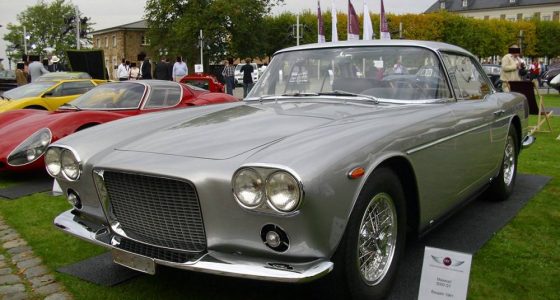
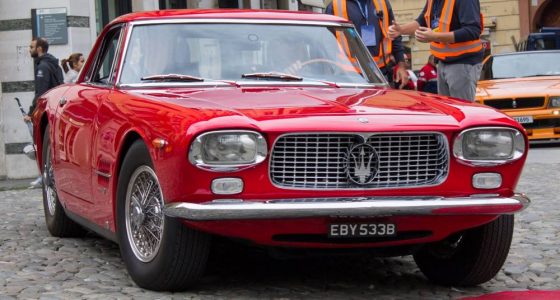
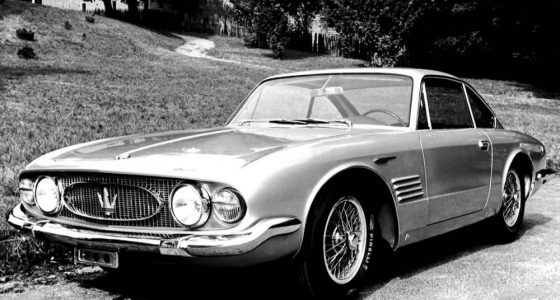
The company’s fortunes took a significant turn in 1937 when it was acquired by Modenese industrialist Adolfo Orsi, marking the beginning of a new chapter. Despite the change in ownership, Maserati continued to produce iconic vehicles, leaving a lasting impact on motorsport with models such as the 250F, which clinched the Formula 1 World Championship in 1957, and the innovative Birdcage. The brand also made waves with road cars like the Sebring, Ghibli, and the renowned Quattroporte series.
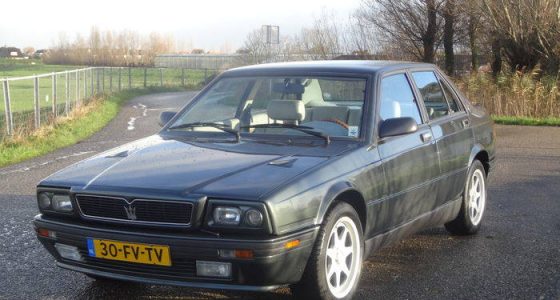
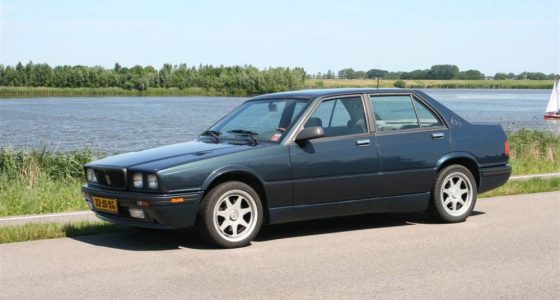
Over time, Maserati experienced several shifts in ownership. Citroën brought its distinctive flair, introducing models like the SM, followed by De Tomaso, which attempted to revitalize the brand with the Biturbo series. Eventually, Maserati found its place under Ferrari‘s wing, cementing its status as a symbol of Italian luxury and performance.